Aluminum Surfaces Protected Against Oxidation
Anodizing in Nampa for Aluminum Components Exposed to Weather and Handling
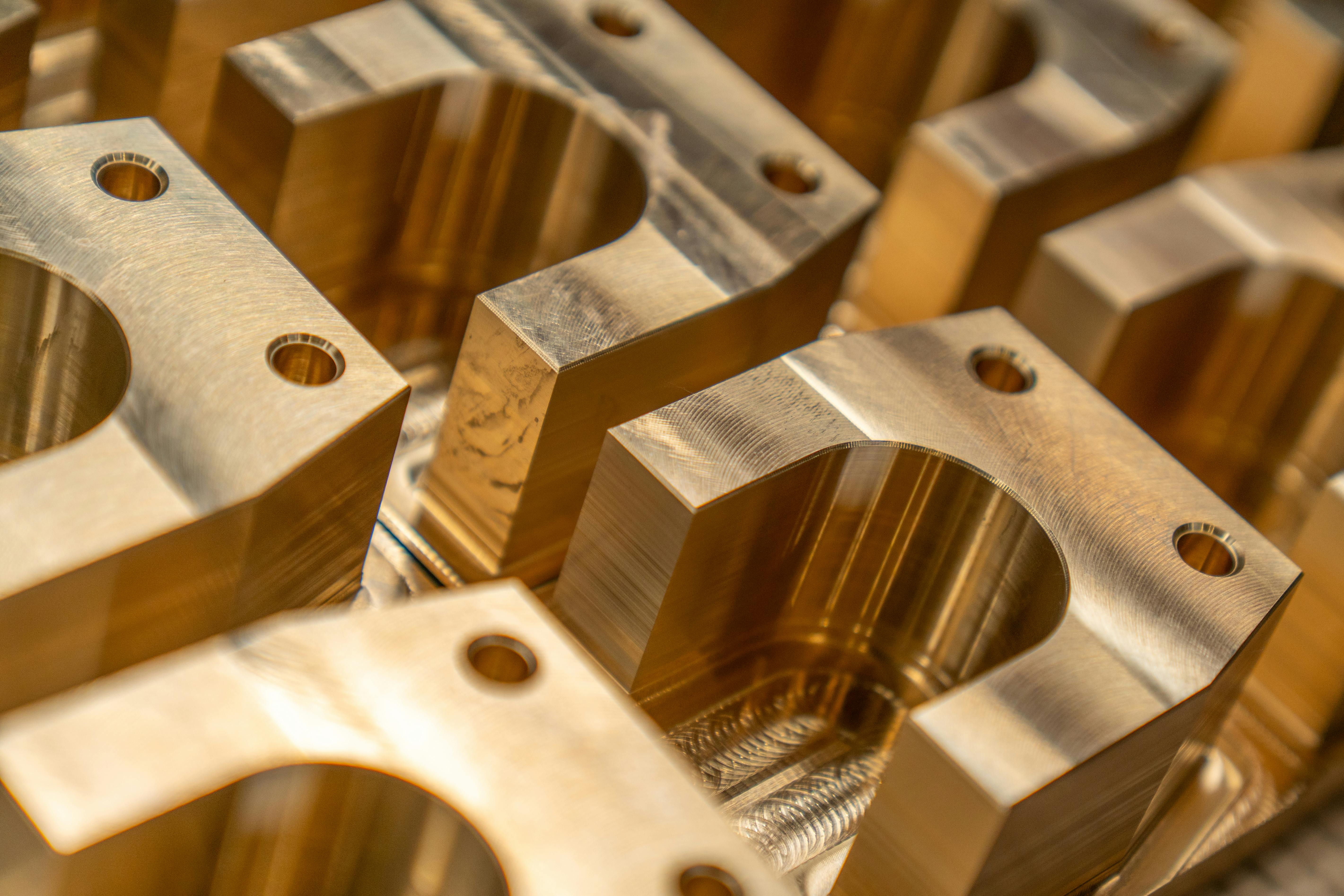
Raw aluminum oxidizes naturally when exposed to moisture and handling, forming uneven surface discoloration that degrades appearance and compromises dimensional precision on machined features. Anodizing converts the aluminum surface into a controlled oxide layer that resists further corrosion, maintains consistent color, and provides a hard surface that withstands abrasion. Treasure Valley CNC anodizes aluminum components machined and fabricated locally in Nampa, integrating finishing with CNC machining and fabrication services to deliver complete manufacturing solutions without outsourcing.
The electrochemical anodizing process grows an oxide layer directly from the aluminum substrate, creating a finish that cannot peel or flake because it is part of the metal itself. This layer improves surface hardness and provides functional protection for industrial, commercial, and custom fabrication applications.
Request an estimate that includes machining, fabrication, and anodizing to review complete project cost and turnaround time.
How Anodizing Changes Aluminum Properties
Aluminum parts are immersed in an electrolyte bath where electrical current converts the surface into aluminum oxide. The thickness of this oxide layer is controlled by current density and immersion time, with thicker layers providing greater corrosion resistance and surface hardness. Dye can be absorbed into the porous oxide before sealing, allowing color options for decorative and identification purposes.
Anodized components maintain dimensional accuracy because the oxide layer grows uniformly without adding measurable thickness that affects fit tolerances. Surfaces resist fingerprints, scratches, and environmental staining, preserving appearance throughout handling and installation. Outdoor exposure does not cause the white oxidation or pitting common on untreated aluminum.
Treasure Valley CNC coordinates anodizing with laser cutting, machining, and bending, ensuring that finished components move through production stages without delays or quality inconsistencies caused by multiple vendors. Project management remains centralized, reducing communication errors and shortening overall lead times.
Questions About Anodizing Aluminum
Manufacturers and designers specifying aluminum parts often need clarity on anodizing benefits, process limitations, and compatibility with other fabrication operations.
Why is anodizing specific to aluminum?
The electrochemical process relies on aluminum's ability to form a stable oxide layer that bonds molecularly to the base metal, a characteristic not shared by steel or other metals commonly anodized in Nampa fabrication projects.
How does anodizing improve corrosion resistance?
The controlled oxide layer prevents moisture and contaminants from reaching the underlying aluminum, eliminating the uneven white oxidation and pitting that occur on raw aluminum exposed to weather or handling.
Does anodizing affect part dimensions?
The oxide layer grows from the aluminum surface with minimal thickness, typically measured in microns, which does not interfere with fit tolerances or threaded features on precision-machined components.
What colors are available with anodizing?
List of available colors include: Clear, Blue, Red, Gold, Green, OD Green, Black, Orange, Grey, Purple, Turquois & FDE. Dyes absorbed into the porous oxide layer before sealing provide color options for decorative finishes, product identification, and branding, with black, bronze, and natural being common selections.
Can anodized parts be integrated with machining services?
Components are machined to final dimensions before anodizing to ensure that the protective oxide layer covers all surfaces, including edges, holes, and detailed features produced during CNC operations.
Treasure Valley CNC offers free estimates for anodizing services, with pricing based on part size, quantity, and coordination with machining or fabrication operations. Contact the shop at (208) 272-0554 to discuss your aluminum finishing requirements.