Metal Components Cut Without Heat Distortion
CNC Laser Cutting in Nampa for Stainless Steel and Aluminum Parts Requiring Tight Tolerances
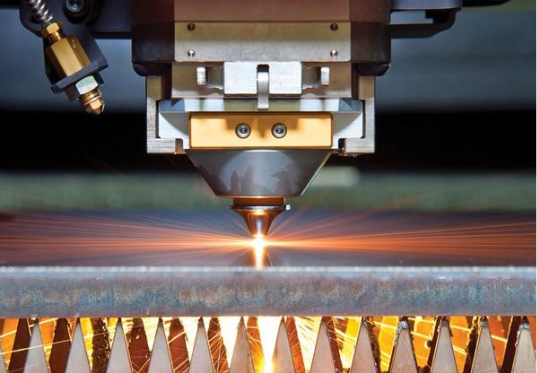
Stainless steel and aluminum sheets up to 5 feet by 10 feet arrive at fabrication shops already dimensioned, but custom projects require precise cutting that standard tools cannot deliver without edge deformation or dimensional drift. Treasure Valley CNC operates a 12 kW fiber laser that cuts through metal by focusing concentrated light energy at the material surface, vaporizing metal along programmed paths while producing clean edges and repeatable dimensions. This method eliminates mechanical force that causes warping, burrs, or work hardening common with plasma cutters or shearing equipment used across manufacturing facilities in Nampa.
The fiber laser cuts faster than older CO2 systems, reducing the time each part spends under the beam and lowering production costs since billing reflects actual machining duration. Higher cutting speeds also minimize heat-affected zones, preserving material properties near cut edges and maintaining dimensional stability for welding or assembly operations.
Schedule a consultation to review material specifications, part geometry, and production volume for accurate cost and turnaround estimates.
Why Laser Speed Affects Project Cost
The 12 kW fiber laser cuts stainless steel and aluminum at speeds that reduce beam contact time, which directly lowers machining duration and production costs. Faster cutting also reduces thermal input, preventing edge discoloration and dimensional changes that require secondary grinding or finishing. Tight tolerances are maintained because the focused beam removes material in narrow kerfs without mechanical deflection.
You receive parts with smooth, oxide-free edges that fit together without gaps or interference. Holes align precisely, slots maintain consistent width, and contoured profiles match digital specifications across every component in the production run. Prototypes and production parts emerge identical, eliminating fit-up issues during assembly.
Local production at Treasure Valley CNC means no outsourced cutting, which shortens lead times and allows real-time communication during design adjustments. Complex nesting strategies maximize material usage, reducing scrap and lowering overall project costs.
Answers to Laser Cutting Questions
Fabricators and product developers working with sheet metal frequently need clarity on capabilities, material limits, and cost factors before committing to laser cutting.
How thick can the laser cut?
The 12 kW fiber laser can cut just about any type of metal. The thickness depends on the materials and grade. Generally speaking we can cut mild steel up to 2 inches thick, Stainless Steel up to 1.5 inches and aluminum up to 1.25 inches.
What determines cutting speed and project cost?
Laser power, material type, sheet thickness, and part complexity all influence how quickly the beam completes each cut, with production time directly affecting billing since projects are charged based on actual machining duration.
Why does fiber laser technology produce cleaner edges than plasma cutting?
Fiber lasers focus energy into a narrow beam that vaporizes metal without applying mechanical force, eliminating the slag, dross, and heat distortion common with plasma systems used in many Nampa fabrication shops.
Can laser cutting integrate with other fabrication services?
Cut components can proceed directly to bending, welding, anodizing, or powder coating without additional trimming or edge preparation, streamlining project coordination.
What file formats are needed for laser cutting?
Vector-based files such as DXF or DWG are converted into tool paths that control beam movement, cutting speed, and pierce locations across the 5-foot by 10-foot cutting table.
Treasure Valley CNC offers free estimates for laser cutting projects, with pricing based on material type, thickness, part complexity, and production quantity. Call (208) 272-0554 to discuss your fabrication needs and review project specifications.