Metal Parts Cut to Exact Tolerances
Laser Metal Cutting in Nampa for custom fabrication projects requiring precise dimensions and clean edges
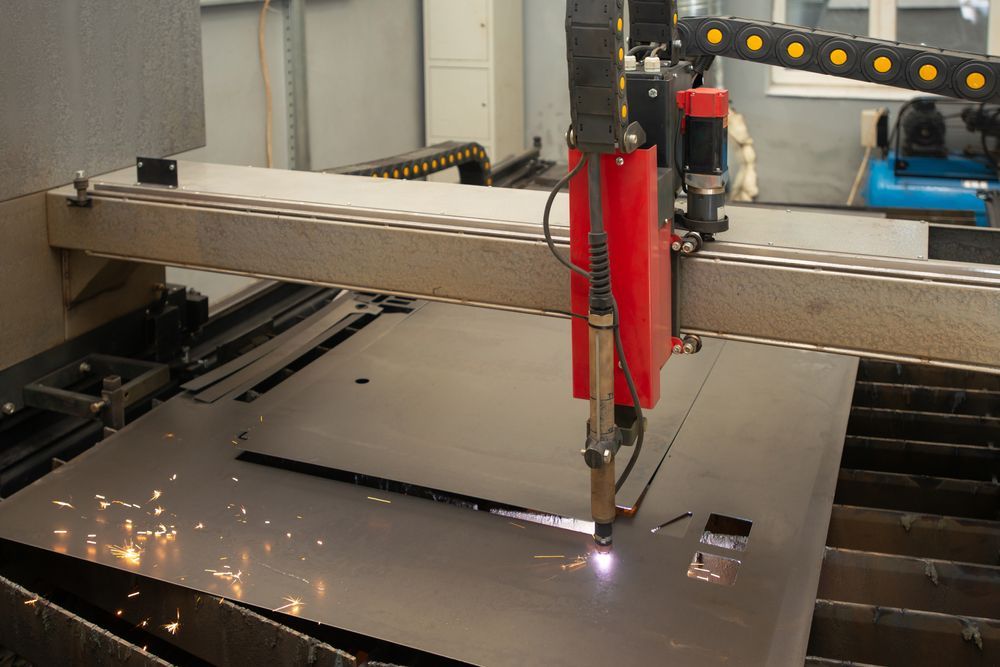
Treasure Valley CNC operates a 12 kW laser cutting system in Nampa that processes aluminum, stainless steel, mild steel, brass, and bronze with cutting capacities that extend to three-quarters of an inch for aluminum, one inch for stainless steel, and one and a half inches for mild steel. When your project requires parts that fit together without hand-filing or adjustments, laser cutting produces edges with consistent accuracy across every piece. The combination of high power and computer-controlled positioning means cuts follow programmed paths without deviation, even on materials thick enough to require multiple passes.
Laser cutting vaporizes material along a programmed line using focused energy, leaving a narrow kerf and minimal heat-affected zone compared to plasma or oxy-fuel methods. This thermal process produces parts with dimensional stability because the surrounding material doesn't warp from excessive heat input. Value-added finishing services including edge rounding and metal polishing transform raw-cut components into finished pieces ready for assembly or installation without additional shop time.
Request a free quote with your part specifications and material requirements to receive accurate pricing for your custom metal cutting project.
How Laser Cutting Handles Different Metals
The 12 kW system adjusts power delivery and cutting speed based on material type and thickness, using assist gas to clear molten metal from the kerf. Aluminum requires higher cutting speeds because of its reflectivity and thermal conductivity, while stainless steel cuts at moderate speeds with nitrogen assist to prevent oxidation along the edge. Mild steel processes fastest under oxygen assist, which creates an exothermic reaction that helps the laser penetrate thicker sections up to one and a half inches without multiple passes.
After cutting, you receive parts with smooth edges that stack flat and align precisely when assembled, eliminating the fit-up problems common with manually cut or sheared components. Edge rounding removes the sharp corners left by the laser beam exit point, creating safer handling characteristics and improved paint or powder coat adhesion. Metal polishing brings surfaces to a uniform finish that matches aesthetic requirements for architectural elements, signage, or display fixtures.
Production happens locally in Nampa, which keeps turnaround times short and allows for in-person consultations when designs require clarification. The system handles both prototype quantities and production runs with the same setup efficiency, since programming replaces the tooling changes required by punch presses or other mechanical cutting methods.
Questions Before Starting Your Cutting Project
These details help clarify what laser cutting delivers and how the process fits different project requirements.
What file formats work with the laser cutting system?
The system reads DXF and DWG vector files that define cut paths as continuous lines, which you can export from most CAD programs or design software. Providing files with proper scale and layer organization speeds up programming and reduces the chance of dimension errors.
How does edge quality compare across different material thicknesses?
Thinner materials produce smoother edges because the laser penetrates quickly with less dross accumulation, while maximum-thickness cuts may show slight striations on the bottom edge that edge rounding removes. The 12 kW power level maintains cut quality even at capacity limits where lower-powered systems struggle.
What determines turnaround time for custom cutting jobs?
Part complexity, material thickness, and current shop workload all factor into scheduling, though fully local production in Nampa typically allows completion within days rather than weeks. Simple geometries in standard materials process faster than intricate patterns or mixed-material orders.
Why choose laser cutting over waterjet or plasma cutting methods?
Laser cutting offers superior edge quality and tighter tolerances than plasma, with faster processing than waterjet for metals within the thickness range. The focused heat input also prevents the edge hardening that occurs with some plasma-cut steels.
What finishing services integrate with the cutting process?
Edge rounding smooths sharp corners using abrasive methods, while metal polishing brings surfaces to specified finishes from satin to mirror. Both services happen in-house, eliminating the coordination and delay involved with sending parts to separate finishing shops.
Treasure Valley CNC provides competitive pricing on laser-cut components with quick turnaround from the Nampa facility. Submit your design files and project details to receive a free quote tailored to your specific material and finishing requirements.