Ideas Turned Into Testable Components
Rapid Prototyping in Nampa for inventors, engineers, and manufacturers needing functional prototypes before production
Design concepts that exist only as sketches or rough CAD models need physical validation before committing to production tooling. Treasure Valley CNC converts hand drawings into manufacturable digital files and produces finished prototypes in Nampa using CNC machining, laser cutting, and fabrication processes. This service addresses the gap between initial concept and proven design, allowing you to test fit, function, and performance before investing in high-volume manufacturing.
The prototyping process starts with CAD file preparation that translates design intent into toolpaths and cutting strategies. If your design exists only as a hand sketch or dimensional drawing, it's converted into a digital CAD file with proper feature definitions and manufacturing tolerances. The prototype is then machined from the actual material specified for production rather than placeholder materials that don't represent real-world performance, so testing results reflect what the final component will actually do.
Submit your design files or sketches to begin prototype development and receive a project timeline.
How Prototyping Accelerates Product Development
Rapid prototyping shortens development cycles by producing physical components within days rather than weeks, which allows iterative testing where design flaws are identified and corrected before they become expensive production problems. CNC machining creates prototypes with the same dimensional accuracy as production parts, so fit and assembly testing provides reliable data about clearances, tolerances, and interface geometry.
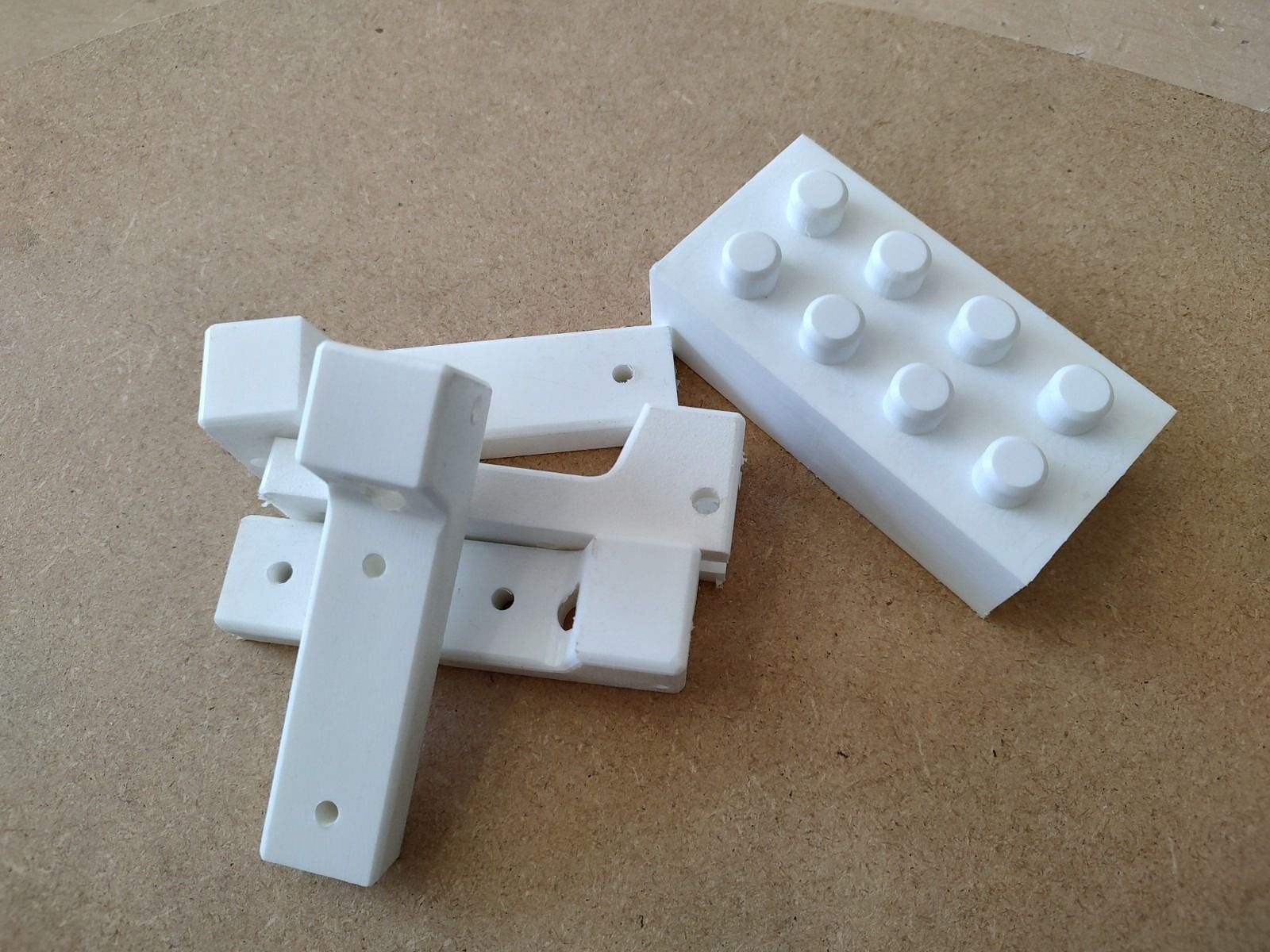
Once the prototype is complete, you receive a functional component that can be assembled, tested under load, or evaluated for aesthetic appearance depending on your development goals. Engineers identify interference issues, inventors validate proof-of-concept functionality, and manufacturers confirm that the design can be produced efficiently at scale. Changes discovered during testing are incorporated into revised CAD files for the next iteration without disrupting production schedules.
Local production in Nampa provides direct communication throughout the prototyping process, allowing design adjustments to be discussed and implemented without waiting for responses from distant contract manufacturers. You work with the same team that will machine the prototype, which eliminates miscommunication about tolerances, material selection, or feature priorities.
Questions About Prototype Development
These questions address CAD conversion, material selection, and the relationship between prototype development and eventual production.
What happens if my design only exists as a hand sketch?
Hand drawings are converted into digital CAD files that include all critical dimensions, tolerances, and feature definitions needed for CNC machining, with any unclear specifications confirmed before manufacturing begins.
How does prototyping differ from production machining?
Prototypes are typically produced as single units or small quantities with setup procedures optimized for quick turnaround rather than high-volume efficiency, allowing faster delivery for testing while maintaining the same dimensional accuracy as production parts.
What materials can be used for prototype development?
Prototypes are machined from the actual materials specified for production including aluminum, steel, plastics, and composites, ensuring that testing results reflect real-world performance rather than placeholder material properties.
How many iterations are typical during prototype development?
Design refinement usually requires two to four iterations as testing reveals fit issues, performance limitations, or manufacturing challenges that weren't apparent in the initial CAD model, with each cycle producing progressively closer approximations of the final design.
Can prototype tooling be used for short production runs?
CNC machining setups developed during prototyping can transition directly into low-volume production without retooling, providing flexibility for market testing or limited releases before committing to high-volume manufacturing equipment.
Treasure Valley CNC supports product development from initial concept through production readiness with efficient prototyping and local manufacturing. Call (208) 272-0554 to discuss your prototype requirements and timeline expectations.